

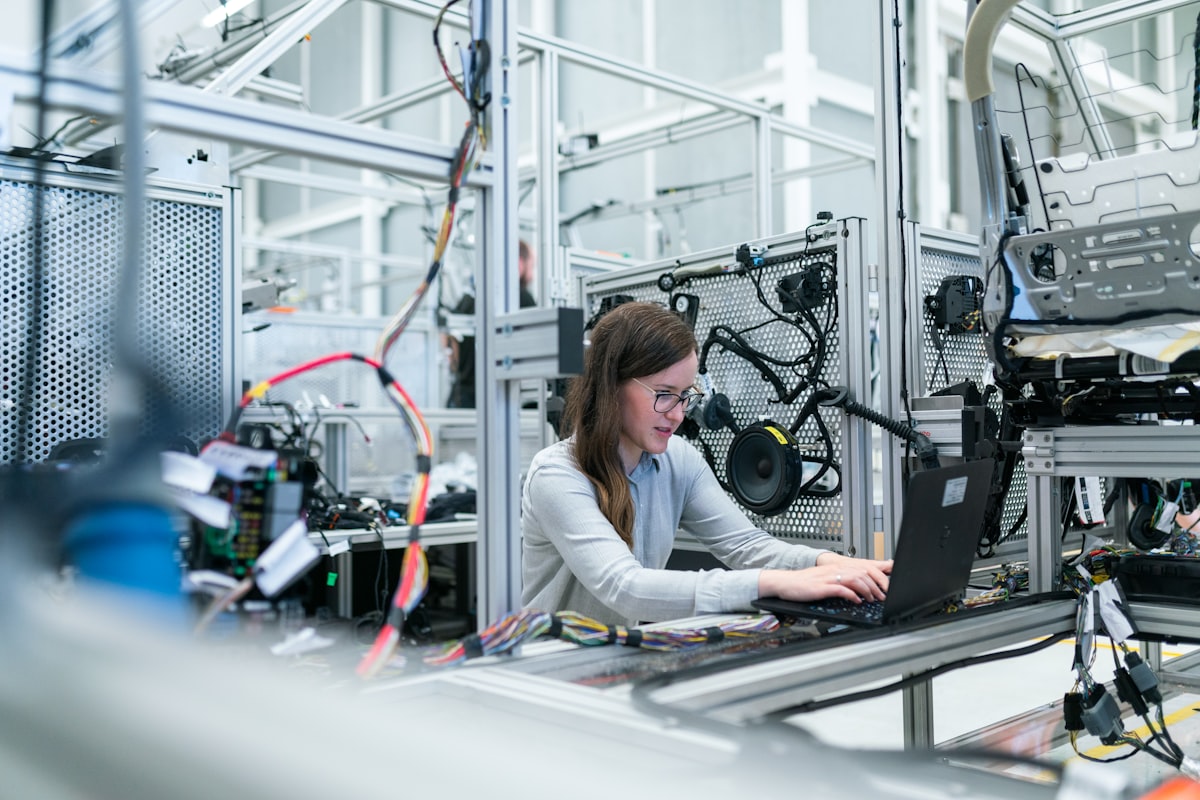
I follow cnc robotics news for the same reason a lot of machinists do: we’re trying to figure out if our jobs are safe. Not in a dramatic way. Just… practically. CNC machines have been the backbone of manufacturing for decades. Now robots are showing up on shop floors and nobody’s quite sure what that means for the person running the lathe.
The short answer? It doesn’t mean what most people think. Robots aren’t replacing CNC machinists. They’re becoming CNC machinists’ best tools. And the shops that figure this out first are the ones winning the work.
The Robot That Loads Itself
The biggest trend in cnc robotics news right now is machine tending. A robot arm sits next to a CNC machine. When the cycle finishes, the robot opens the door, pulls out the finished part, loads a new blank, closes the door. The machine starts again. The robot waits.
This isn’t new, exactly. Large shops have been doing it for years. What’s new is the price. A decent collaborative robot — the kind that works safely around humans without cages — now costs less than a mid-range car. Small shops can afford it. And that changes everything.
I visited a shop in Ohio that bought one robot for forty thousand dollars. It tended three CNC machines across two shifts. The owner told me it paid for itself in eleven months. Not because he fired anyone — he didn’t. He just ran more parts through the same machines without adding overtime.

Why Machinists Aren’t Going Anywhere
Here’s the thing robots still can’t do: think. A robot can load and unload parts all day. It can’t decide if a surface finish looks wrong. It can’t hear when a tool is starting to chatter. It can’t walk over to the programmer and say, “hey, this tolerance feels tight, maybe we should adjust the offset.”
The machinists I know aren’t worried about robots. They’re worried about shops that don’t invest in them. Because a shop with robots plus skilled machinists is a shop that can quote jobs the competition can’t touch. Speed. Consistency. Lights-out capability. That’s the winning combination.
One guy told me he calls his robot “the intern.” It does the boring stuff. He does the thinking. Seems like a fair trade.
Programming Robots Through CNC Interfaces
The latest cnc robotics news I read was about integration. Major CNC manufacturers — Haas, Fanuc, Mazak — are building robot control right into their machine interfaces. One screen. One workflow. The machinist programs the part, programs the robot tending, and everything talks to everything.
This matters because it removes the silo. Before, you had a CNC programmer and a robot programmer. Two people. Two skill sets. Two chances for miscommunication. Now the same person can handle both. And in small shops, that’s usually exactly how it works anyway.
CNC machining industry trends are shifting fast, and robotics is the biggest driver of that change.

The Skills Gap Nobody Saw Coming
There’s a weird problem in manufacturing right now. Shops can’t find machinists. And they can’t find robot technicians. The same person who knows G-code and tooling usually doesn’t know robot programming. And vice versa.
So the shops that are training their existing machinists on robots are the ones surviving. It’s cheaper than hiring new people. And the machinists who learn it become way more valuable. I talked to a guy who got a fifteen-dollar-an-hour raise after his shop sent him to a robot integration course. Fifteen dollars. That’s real money.
the manufacturing skills gap explained is something I’ve written about before, and robotics training is the clearest solution.
For background on CNC technology, Wikipedia’s numerical control overview is solid. And industrial robot market projections from Statista show why this trend isn’t slowing down.
Frequently Asked Questions
What is CNC robotics exactly?
It’s the integration of robotic arms with CNC machining equipment. The robot handles loading, unloading, and sometimes inspection, while the CNC machine does the cutting. Together they form an automated cell that can run with minimal human intervention.
Will CNC robots replace human machinists?
Not anytime soon. Robots handle repetitive material handling. Machinists handle programming, troubleshooting, quality judgment, and setup. The shops winning right now are the ones combining both — robots for consistency, humans for intelligence.
How much does a CNC tending robot cost?
Collaborative robots suitable for CNC tending start around thirty-five thousand dollars. Add integration, grippers, and safety accessories and you’re looking at fifty to seventy thousand total. That’s a lot, but one robot can tend multiple machines across shifts.
Do I need to learn robot programming to stay relevant?
It helps. You don’t need to become an expert, but understanding the basics of robot operation, safety, and programming gives you a massive advantage. Many community colleges and trade schools now offer short courses specifically for machinists.
Where can I find reliable cnc robotics news?
I check industry publications like Modern Machine Shop, Manufacturing Tomorrow, and the robot manufacturers’ own blogs. Avoid the hype pieces about “lights-out factories of the future.” Look for case studies from actual shops. Real numbers. Real challenges. That’s where the truth is.
