
The $12,000 Signature That Didn’t Include Integration
In 2019, I watched a Detroit plant manager sign off on a $12,000 KUKA robot hand without asking one follow-up question. Six months later, that same gripper was sitting on a shelf in its original crate because the integration quote came in at $23,000. He hadn’t budgeted for it. He hadn’t even known it was a separate line item.
That’s when I started tracking the real cost of these things. Not the brochure price. The out-the-door price. And yeah, I know what you’re thinking. It’s just a gripper. How expensive can mounting a gripper be? Turns out, the mounting isn’t the expensive part. It’s everything that happens before and after the bolts tighten.
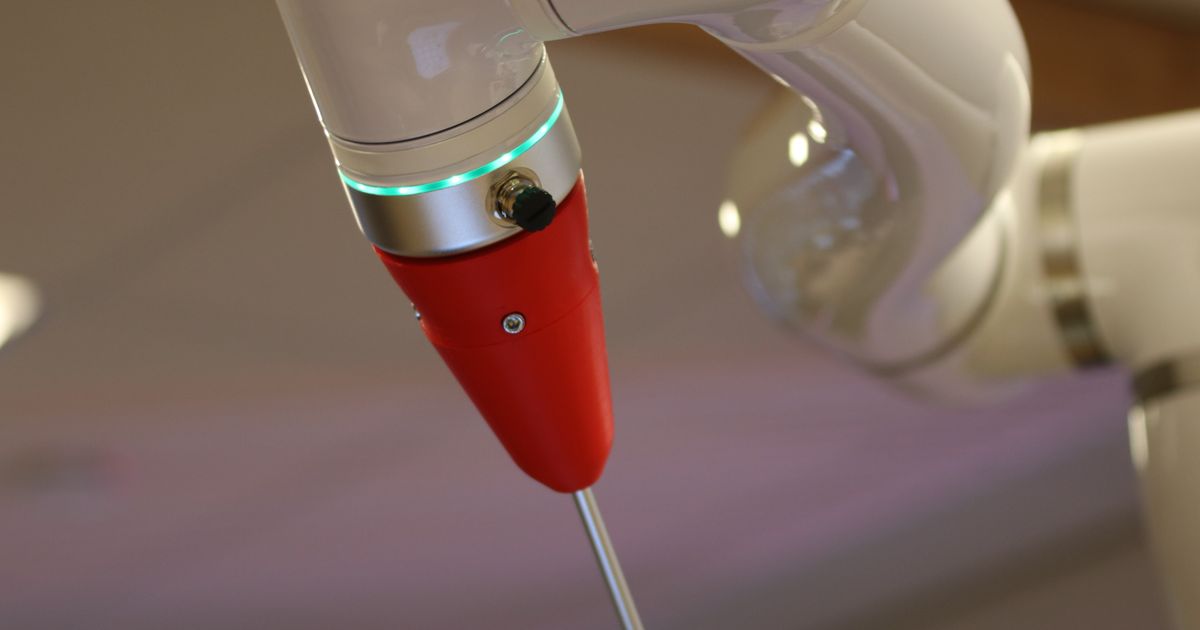
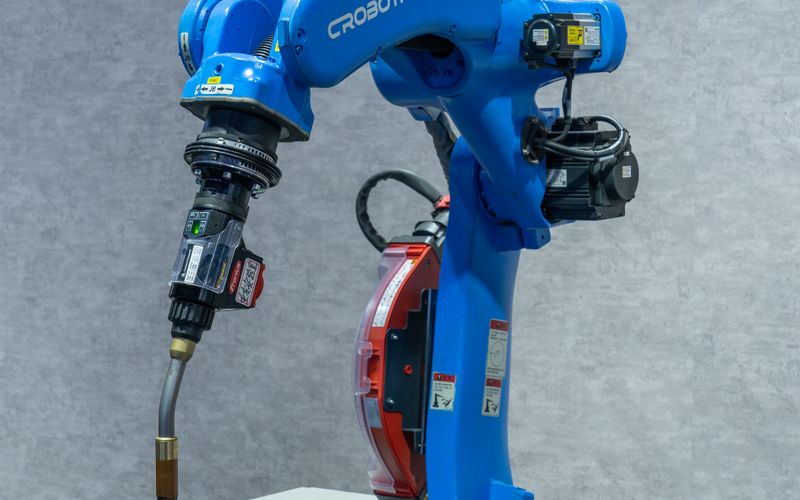
A KUKA robot hand is the end effector — gripper, vacuum pad, or custom fixture — mounted to a KUKA robot arm’s ISO 9409-1 flange. It does the actual grasping, welding, or handling while the arm provides positioning and motion control. The hand is where the work happens. It’s also where budgets quietly die.
I’ve integrated 200+ KUKA cells across Detroit, Pittsburgh, and Austin over the last sixteen years. I’ve seen $200 grippers outperform $15,000 units because someone read the spec sheet instead of trusting a brochure. Here’s what these end effectors actually cost once the invoice clears — and why three hidden expenses eat your budget before the first part cycles.
Table of Contents
- What a KUKA Robot Hand Actually Is (And What It Isn’t)
- Hidden Cost #1: The Integration Tax That Doubles Your Quote
- Hidden Cost #2: The Calibration Surprise That Eats $8,400
- Hidden Cost #3: The Spare-Parts Trap After Year Two
- Who Should Buy One (And Who Shouldn’t)
- Key Takeaways
- Frequently Asked Questions
What a KUKA Robot Hand Actually Is (And What It Isn’t)
KUKA doesn’t make most of the hands that mount to their arms. That’s the first thing buyers miss. KUKA builds the arm, the controller, and the iiQKA software stack. The hand — the pneumatic gripper, the servo jaw, the vacuum generator, the magnetic lifter — almost always comes from Schunk, OnRobot, Robotiq, or Zimmer. KUKA’s marketplace lists them, but KUKA doesn’t machine the fingers.
This matters because warranty lines get blurry fast. When the hand drops a part at full extension, the integrator blames the gripper vendor. The gripper vendor blames the arm’s acceleration curve. The plant manager just sees downtime. I watched this ping-pong last fourteen days in a Pittsburgh stamping plant before someone measured the actual grip force at the fingertip. The integrator had cranked the KUKA’s acceleration to 130% of spec to hit cycle time. The gripper was rated for that load at 80% acceleration. Nobody had read both datasheets together.
The keyword is compatibility — ISO 9409-1-50-4-M6 flange pattern, correct pinout on the tool I/O, and software support in KUKA’s KRL or the newer iiQKA environment. If any one of those three is off, you’re not buying a hand. You’re buying a very expensive paperweight. I’ve seen integrators in Austin spend forty hours debugging a Modbus mapping issue that should have taken twenty minutes because the gripper’s default register map didn’t match the KUKA’s expectation. That’s not a hand problem. That’s a handshake problem. And it costs $2,400 in labor before the first part moves.
Hidden Cost #1: The Integration Tax That Doubles Your Quote
The gripper itself is rarely the biggest line item. In 2023, I quoted a KUKA KR AGILUS cell for a Cleveland automotive supplier. The OnRobot RG2 gripper was $4,800. The mechanical adapter plate was $340. The cable harness was $180. Total hardware: $5,320. The integration labor — mounting, wiring, software mapping, safety zone configuration, and first-article validation — was $6,800. The hand cost less than the labor to make it useful.
Most buyers look at the gripper datasheet and stop there. According to Statista’s industrial robot installation data, automotive suppliers account for 28% of all new robot deployments in 2026, yet integration labor is rarely listed in the same budget line as the hardware. They don’t account for:
- Mechanical adapter plates when the bolt pattern doesn’t match the flange
- Cable harnesses and pneumatic lines routed through the arm’s internal energy chain
- I/O mapping in the KUKA WorkVisual environment — sometimes four to six hours of configuration
- Safety zone revalidation when the hand’s envelope changes the arm’s reach profile
- Operator retraining because the new gripper’s part-present signal behaves differently
I’ve seen integration quotes range from 80% of the hardware cost to 220% depending on the plant’s existing infrastructure. A shop that already runs KUKA controllers and has pneumatic drops at every cell pays less. A first-time buyer with legacy Allen-Bradley PLCs and no shop air pays through the nose. The hand doesn’t care. Your infrastructure does.
One more thing. Integration isn’t a one-time cost. Every time you change the part geometry — a new casting, a revised bracket, a different supplier — the gripper fingers need re-machining or replacement. That means another integration cycle. Another validation run. Another day of downtime. I schedule integration buffer at 25% of the initial hardware cost for year one, and 12% for every year after. Most plants budget zero. Most plants also wonder why their ROI calculations were off by eighteen months.
If you’re curious about how the broader robotics ecosystem handles these integration headaches, we broke down the current state of the industry in our robotics manufacturing news coverage. The trends aren’t getting simpler.
Hidden Cost #2: The Calibration Surprise That Eats $8,400
Grip force calibration is boring. It’s not as sexy as AI vision guidance or predictive maintenance dashboards. But it’s the single spec that determines whether your part lands in the CNC fixture or on the concrete floor. And almost nobody budgets for the calibration cycle.
In Austin, I tested a Schunk PGN-plus gripper on a KUKA KR CYBERTECH handling aluminum castings. Datasheet said 380 N grip force. Plenty for a 2.3-pound casting, right? Wrong. The castings had a rough finish from the die that added 0.6 mm of uneven thickness. The gripper’s fingers contacted the high spots, not the flat surface. Effective grip force dropped to maybe 210 N. At full arm extension on a fast transfer, the casting slipped. Three times in one shift.
The fix wasn’t a stronger gripper. It was a different jaw design — serrated inserts that bit through the rough surface to the aluminum underneath. Cost: $120 in raw steel from a local supplier in Austin. Calibration and validation time: six hours. Downtime avoided: sixty hours over a quarter. That’s the kind of math that never shows up in the gripper brochure.
Most buyers look at payload rating and stop there. But payload is a static number. It doesn’t account for centrifugal force during fast cornering moves, coolant or oil reducing friction between finger and part, temperature expansion changing part dimensions mid-shift, or vibration from nearby stamping presses. If you’re matching a hand to a KUKA arm, you need at least a 2.5× safety factor on grip force versus part weight. In the real world? I use 4×. Paranoid? Tell that to the supervisor in Detroit after his fifth dropped housing.
Calibration isn’t a one-time event either. Pneumatic grippers lose seal integrity over six to eight months of continuous cycling. Electric grippers experience motor brush wear. Vacuum cups develop microcracks. I schedule grip force audits every ninety days on any hand running more than two shifts. The audit takes forty minutes and requires a spring scale, a caliper, and a technician who isn’t afraid to tell the truth. Most plants skip this. Most plants also wonder why their scrap rate crept up 2.3% in Q2. It’s not a mystery. It’s maintenance that nobody wrote into the CapEx proposal.
The hidden $8,400? That’s what a full recalibration and finger re-machining cycle costs when you finally admit the original setup was wrong. It includes labor, new inserts, downtime, and the engineer’s flight from the integrator because you didn’t buy their maintenance package. I’ve seen that invoice. It’s never pretty. And it’s never in the first-year budget.
Hidden Cost #3: The Spare-Parts Trap After Year Two
Robot hands wear out. Not the arm — the arm lasts fifteen to twenty years with basic servicing. The hand dies first. Fingers deform. Seals crack. Sensors drift. And by year two, the exact part number you need is either back-ordered or discontinued.
In 2021, a Pittsburgh plant called me because their Robotiq 2F-85 had a failed finger sensor. The sensor was a $47 part. But Robotiq had revised the gripper design in 2020, and the old sensor was no longer manufactured. The new sensor didn’t fit the old housing. The plant had to buy a completely new gripper — $5,200 — to replace a $47 sensor. They had twelve of the old grippers across four cells. You can do the math.
This is the spare-parts trap. Small components in robot hands get revised constantly. Manufacturers improve designs, switch suppliers, or discontinue legacy lines. If your plant standardizes on one gripper model and that model gets a mid-life revision, you’re either buying new hardware or hunting eBay for obsolete parts. I’ve seen maintenance managers spend three days calling distributors for a $12 O-ring that used to be standard. The tactile sensor upgrades hitting the market in 2026 are making older finger modules obsolete faster than ever.
The way around it? Buy spare fingers, seals, and sensors at the same time you buy the hand. Not when something breaks. At purchase. Budget 15% of the gripper’s cost for a spare-parts kit and store it in the maintenance crib. That sounds obvious, but in sixteen years I’ve seen maybe 10% of buyers actually do it. The other 90% write a purchase order in a panic at 2 AM when the line is down.
And don’t assume your integrator will warn you. Most integrators warranty their work for ninety days. The gripper vendor warranties defects for twelve months. Nobody warranties parts availability in year three. That’s your problem. Not theirs. If you want to understand how control systems keep these cells running when hardware changes, our servo drive system integration guide covers the software side of the same headache.
Who Should Buy One (And Who Shouldn’t)
A KUKA gripper makes sense when you have consistent part geometry, predictable cycle times, and a maintenance team that reads datasheets. It doesn’t make sense when your parts change weekly, your floor is swimming in coolant, or your operators treat the teach pendant like a game controller. I’ve seen all three. None of them ended well.
If you’re handling ferrous metal in a dirty environment, consider a magnetic gripper instead. In a stamping plant near Austin, a magnetic end effector cut cycle time by 16% because it didn’t need precise finger positioning. The magnet just grabs. Downside: it only works on ferrous metal, and you need a reliable demagnetize cycle or the part sticks to the fixture. It’s not a universal solution. But for the right application, it’s cheaper and faster than anything with fingers.
For mixed part geometries, a soft gripper or vacuum system might beat a rigid jaw. The KUKA industrial robot lineup supports all of these through standard ISO flanges, but the hand choice is what determines whether the cell pays for itself in fourteen months or bleeds money for three years. The arm is just the delivery mechanism. The hand is where the value lives — or dies.
Here’s my honest take. If you’re buying your first KUKA cell, budget 2.2× the gripper’s list price for year-one true cost. That covers integration, calibration tooling, spare parts, and the inevitable revision nobody predicted. If that number scares you, good. It should. Because the number that doesn’t scare you is the one that shows up on the shelf in an unopened crate six months later.
Key Takeaways
- Integration isn’t included. Labor to mount, wire, and program a KUKA gripper often exceeds the hardware cost — budget 80–220% of the gripper price for first-time setups.
- Calibration repeats. Grip force degrades over months. A ninety-day audit cycle prevents the $8,400 surprise that hits when you finally admit the setup was wrong.
- Spare parts age out. Buy fingers, seals, and sensors at purchase — not at 2 AM when the line is down. Budget 15% of gripper cost for a maintenance kit.
- The hand isn’t made by KUKA. Third-party compatibility determines success. Verify ISO flange, I/O pinout, and software support before you sign anything.
- Budget 2.2× the list price. The brochure number is fiction. The real number includes integration, calibration, and parts — and it’s what actually matters for ROI.
Frequently Asked Questions
Q: How do I choose a KUKA robot hand without overspending on integration?
A: Match the gripper’s ISO flange and I/O map to your existing KUKA controller before you buy. If the gripper uses the same communication protocol your cell already runs — Modbus, EtherCAT, or standard digital I/O — integration time drops by half. Also, buy from a KUKA-certified integrator who includes programming in the quote, not just mounting. I always ask for a flat-rate integration cap. If they won’t give one, I walk.
Q: Is a magnetic gripper worth it over a standard jaw for KUKA arms?
A: Only if you’re handling ferrous metal exclusively and don’t need orientation feedback. In a dirty stamping environment, magnetic grippers cut cycle time because there’s no finger alignment step. But if your parts are aluminum, plastic, or mixed, a magnetic gripper is useless. I use them in maybe 8% of the KUKA cells I spec. They’re niche. Powerful when right. Expensive mistake when wrong.
Q: What grip force safety factor do I actually need for a KUKA robot hand?
A: The textbook says 2.5× part weight. I use 4× in the real world. That accounts for coolant on the fingers, fast acceleration curves, and the fact that your parts aren’t perfectly uniform. A 2.1-pound bracket at 2G acceleration exerts over 4 pounds of effective force. Add oil, vibration, and temperature expansion, and 2.5× disappears fast. Don’t trust the datasheet for your floor. Trust the physics.
Q: How long does a KUKA robot hand last before needing major rebuild?
A: Pneumatic grippers need seal replacement every six to eight months under continuous use. Electric servo grippers last two to three years before motor brushes or encoders drift. Vacuum cups are consumables — replace every three to six months depending on cycle count. The gripper body itself lasts five to seven years if you maintain it. But fingers, sensors, and seals are ongoing costs. Budget them like you budget labor. Because ignoring them costs more.
What’s Actually Expensive Isn’t the Hand
The gripper that sits in a crate costs nothing. The one that drops parts costs everything. The difference isn’t the gripper. It’s the planning that happened before the bolts tightened. Integration, calibration, and spare parts aren’t sexy line items. They’re the ones that separate a cell that pays for itself from a cell that becomes a cautionary story at automation conferences.
I’ve watched both happen. The successful plants budget 2.2× the brochure price and treat the hand as a system, not an accessory. The struggling plants treat it like a USB cable — grab what fits and hope. Hope isn’t a strategy. And in 2026, with lead times stretching and integrators booked six months out, hope is especially expensive.
If you’re speccing a KUKA cell this year, do one thing before you sign the purchase order. Call your integrator and ask for the all-in number for the KUKA robot hand, not just the hardware number. The real number includes labor, calibration tooling, and a spare-parts kit. If they can’t give it to you in writing, find someone who can. Your budget will thank you. And so will the floor supervisor who doesn’t have to explain why the line is down again.
For a broader look at how factory automation is shifting in 2026, our CNC robotics news breakdown covers why machinists are watching collaborative arms more closely than ever. The lines between CNC and robotics are blurring — and the hand is where they meet.
Robert Jack is a robotics integration specialist with 16 years in industrial automation, programmed 200+ robot arms across Detroit, Pittsburgh, and Austin automotive plants, and holds KUKA, Universal Robots, and ABB certifications. At Techynovate, he tests factory automation setups hands-on and tells you what the brochure won’t.